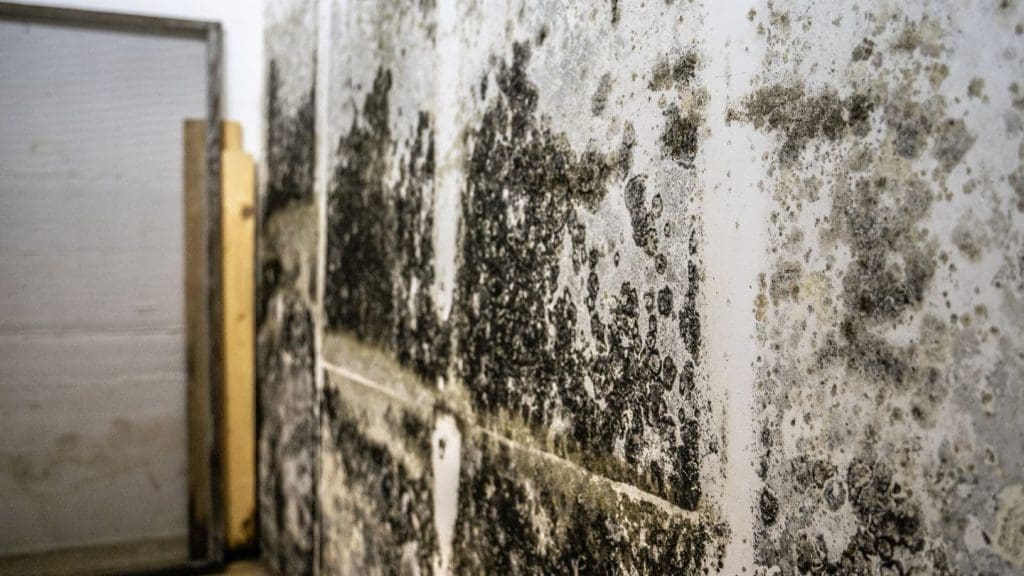
Water damage can cause significant structural and health issues if not addressed promptly and thoroughly. One of the most pressing concerns after water damage is mold growth, which thrives in damp, humid environments. Understanding the complete process of water damage restoration is essential for preventing mold problems and ensuring a healthy living or working space.
Effective Steps for Addressing Black Mold in Deltona FL
- Identify the source of water intrusion (e.g., flooding, burst pipes, leaks).
- Assess the extent of damage to structures, furniture, and other belongings.
- Categorize the type of water (clean, gray, or black) to determine safety precautions.
- Use high-powered pumps or vacuums to remove standing water quickly.
- Prioritize areas with the highest saturation levels to minimize further structural damage.
- Employ air movers, fans, and industrial dehumidifiers to eliminate residual moisture.
- Focus on hidden areas like walls, ceilings, carpets, and subflooring where moisture can linger unnoticed.
- Clean surfaces with appropriate agents to remove contaminants brought by water (especially in cases involving black or gray water).
- Apply antimicrobial solutions to prevent bacteria and mold growth.
- Repair or replace damaged drywall, flooring, insulation, or furnishings as needed.
Comprehensive Guide to Mold Inspection Deltona FL: Preventing Issues After Water Damage
Mold begins to grow within 24-48 hours of exposure to moisture under favorable conditions. Without proper remediation techniques during the restoration process, even small amounts of trapped moisture can lead to extensive mold infestations over time.
- Moisture Detection: Advanced tools such as infrared cameras and moisture meters are crucial during restoration for identifying wet zones that are not visible to the naked eye.
- Temperature Control: Warmth accelerates mold formation; hence maintaining controlled temperatures during drying is vital.
- Ventilation: Proper air circulation during drying prevents stagnant air pockets where mold could thrive.
Table: Mold Testing Deltona FL – DIY Restoration vs Professional Services Comparison
| Aspect | DIY Approach | Professional Services |
| Equipment Needed | Basic tools like fans & towels | Industrial-grade pumps & dehumidifiers |
| Time Required | Longer due to limited efficiency | Faster response with advanced tools |
| Mold Prevention Effectiveness | Moderate | High |
| Cost | Initially lower | Higher upfront but cost-effective long term |
Long-Term Benefits of Hiring a Mold Removal Company Deltona FL
By addressing all aspects of water damage comprehensively: – Structural integrity is preserved. – The likelihood of recurring issues such as rot or mildew diminishes. – Indoor air quality improves significantly by reducing allergens caused by dampness and microbial growth.
Proper management ensures that your property not only recovers from immediate damage but also remains protected from future complications associated with improper drying or overlooked moisture pockets.
Using Advanced Dehumidifiers and Techniques to Stop Mold from Spreading
Mold thrives in damp, humid environments, making moisture control a critical step in preventing its spread. The use of advanced dehumidifiers and moisture control techniques plays a pivotal role in mold remediation and should not be overlooked. Below is an in-depth guide on how these tools and methods help stop mold from spreading.
Why Moisture Control is Essential
Mold spores are ubiquitous in the air, but they only become problematic when they settle on moist surfaces. Without proper drying methods, even minor water damage can create a breeding ground for mold within 24-48 hours. Advanced dehumidifiers are essential for maintaining low indoor humidity levels, which inhibits the growth and spread of mold colonies.
Types of Dehumidifiers for Mold Removal
- Refrigerant Dehumidifiers: These units use coils to cool incoming air, condensing moisture into water that is then collected or drained. Ideal for warm and humid environments.
- Desiccant Dehumidifiers: These work by using materials like silica gel to absorb moisture from the air, making them suitable for cooler conditions.
- Whole-House Dehumidifiers: Installed as part of your HVAC system, these are useful for addressing widespread humidity issues across large spaces.
- Portable Dehumidifiers: Lightweight units that can be easily moved between rooms for targeted moisture removal.
| Type | Best For | Key Benefits |
| Refrigerant | Warm/humid environments | High efficiency in warm climates |
| Desiccant | Cooler areas | Works effectively even at low temperatures |
| Whole-House | Large-scale humidity issues | Covers multiple rooms simultaneously |
| Portable | Small localized areas | Easy to maneuver and cost-effective |
Advanced Techniques to Stop Mold Spread
- Moisture Mapping
Utilize infrared cameras or moisture meters to detect hidden pockets of dampness behind walls or under flooring. Identifying these areas early helps target remediation efforts. - Isolating Affected Areas
Use plastic sheeting or barriers to isolate mold-contaminated spaces from unaffected ones. Negative air pressure systems can also prevent airborne spores from traveling. - Air Scrubbing
HEPA-filtered air scrubbers capture airborne particles like dust, spores, and contaminants during remediation work. - Controlled Ventilation
Proper ventilation reduces trapped humidity levels but must be carefully monitored to avoid spreading spores through airflow. - Continuous Humidity Monitoring
After active remediation efforts, use hygrometers to monitor relative humidity (RH) levels in real-time. Aim to maintain indoor RH below 50%.
Benefits of Using Professional Equipment
- Faster drying times reduce the risk of microbial growth.
- Ability to handle larger volumes of water vapor.
- Precision controls ensure optimal performance based on environmental conditions.
Preventing Future Mold Growth
Once dehumidification is complete: – Seal cracks or leaks that allow water intrusion. – Improve drainage systems around your property. – Install vapor barriers where necessary (e.g., crawl spaces).
By combining advanced dehumidifier technology with proven techniques such as isolation and moisture mapping, you can halt mold spread effectively while creating an environment less susceptible to future outbreaks.
Using Advanced Dehumidifiers and Techniques to Stop Mold from Spreading
When addressing mold removal, controlling moisture is critical. Mold thrives in damp and humid environments, so the use of advanced dehumidifiers and proper techniques plays a pivotal role in preventing its spread. Below is a detailed exploration of how these tools and strategies can be effectively utilized for mold control.
Why Moisture Control is Vital
Mold begins to grow within 24-48 hours of excess moisture exposure. Without reducing humidity levels, any efforts to remove mold may prove ineffective, as the spores can easily reappear or spread to other areas. Dehumidifiers are specifically designed to extract moisture from the air and surfaces, creating an inhospitable environment for mold growth.
By implementing advanced equipment and techniques, it becomes possible not only to eliminate existing mold but also to prevent future infestations.
Advanced Dehumidifiers: Features and Benefits
- High Capacity: Industrial-grade dehumidifiers can extract significantly more water compared to standard residential units, making them suitable for large-scale projects.
- Energy Efficiency: Many advanced models are designed with energy efficiency in mind, ensuring prolonged operation without excessive energy consumption.
- Humidity Control Settings: Adjustable controls allow experts to set specific humidity levels (ideally below 50%) depending on the environment’s needs.
- Real-Time Monitoring: Some units offer digital displays or remote monitoring capabilities for precise adjustments during operation.
Techniques That Complement Dehumidification
- Seal Off Affected Areas: Use plastic sheeting or containment barriers around the impacted zones to prevent airborne mold spores from spreading further.
- Identify Hidden Moisture Sources: Leaks inside walls, under flooring, or behind appliances should be addressed first before deploying drying equipment.
- Proper Ventilation: Ensure adequate airflow by using air movers alongside dehumidifiers to circulate air and speed up drying times.
- Monitor Humidity Levels: Use hygrometers or moisture meters regularly throughout the process to ensure humidity remains at optimal levels.
| Technique | Purpose | Tools Used |
| Sealing Areas | Prevents spore migration | Plastic sheeting |
| Ventilation | Promotes airflow & drying | Air movers |
| Monitoring | Ensures consistent results | Hygrometers |
Common Mistakes When Using Dehumidifiers
- Using Too Few Units: Large spaces require multiple units; relying on one may result in uneven moisture reduction.
- Improper Placement: Place dehumidifiers centrally in open areas for maximum airflow instead of confined corners.
- Ignoring Filter Maintenance: Clogged filters reduce machine efficiency; clean or replace filters as recommended by manufacturers.
Benefits of Professional Assistance
- Accurately assess the extent of water damage or hidden moisture
- Recommend appropriate equipment based on space size
- Manage simultaneous tasks like containment setup and sanitation
Addressing mold successfully involves a combination of proper tools and skilled techniques aimed at eliminating excess moisture entirely. The use of advanced dehumidifiers is integral in creating dry conditions that hinder further growth while promoting long-term environmental safety.
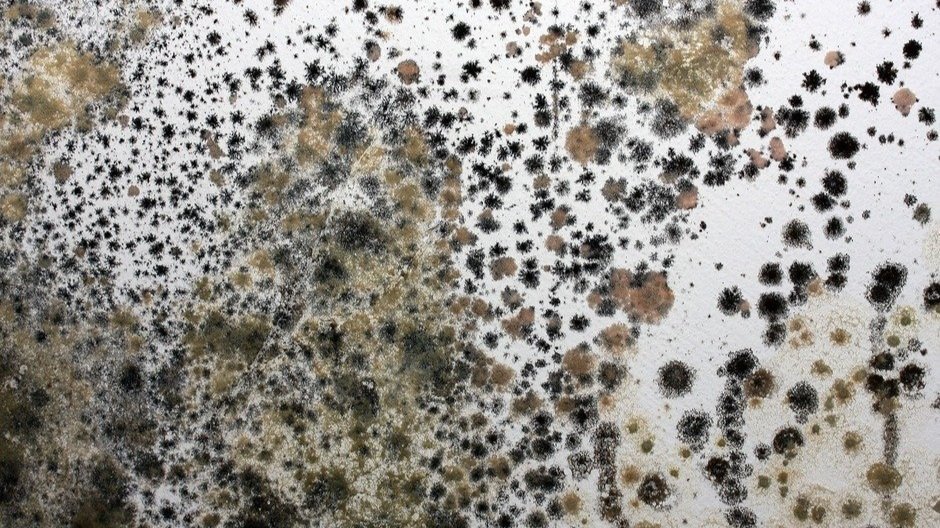
Cleaning Contaminated Areas and Sanitizing Effectively for Mold Removal
Effectively cleaning and sanitizing areas contaminated by mold is a critical step in ensuring that the problem does not recur. Mold spores, which are microscopic, can quickly spread throughout a property if they are not removed thoroughly. Below is an overview of best practices, techniques, and tools that can be used to safely clean contaminated areas.
Key Steps in Cleaning Mold-Contaminated Areas
- Identify the affected surfaces (e.g., drywall, wood, carpeting) and determine if removal or cleaning is necessary.
- Evaluate whether porous materials like insulation or fabric need to be discarded since they may harbor mold spores deep within their fibers.
- Measure the scale of contamination—small areas (less than 10 sq. ft.) may be manageable without professional help; larger areas typically require expert intervention.
- Seal off the contaminated area using plastic sheeting and tape to prevent mold spores from spreading to unaffected parts of the building during cleanup.
- Disable HVAC systems in these areas temporarily so air circulation doesn’t carry mold particles elsewhere.
- Use detergents or commercial mold cleaners for non-porous surfaces (e.g., glass, metal). Avoid mixing cleaning chemicals as it can create toxic fumes.
- For porous materials such as drywall or carpeting that cannot be adequately cleaned, consider removal and replacement.
- Using a scrub brush and cleaning agent, clean hard surfaces such as tiles or concrete walls where visible mold colonies are present.
- Rinse sponges or cloths frequently in water while scrubbing to avoid redistributing spores.
- Sanitize with Disinfectants
After cleaning visible mold, apply EPA-approved disinfectants to kill any remaining spores on surfaces:- Use bleach solutions (1 cup bleach per gallon of water) for certain applications but avoid excessive use on porous items.
- Hydrogen peroxide-based cleaners are effective alternatives for individuals sensitive to bleach.
Recommended Tools and Materials
| Tool/Material | Purpose |
| Respirator mask | Protects against inhaling airborne spores |
| Gloves | Ensures hands aren’t exposed to contaminants |
| HEPA vacuum | Captures microscopic spores during cleanup |
| Plastic sheeting & tape | Isolates work area |
| Scrub brushes/sponges | Used to physically remove colonies |
Tips for Long-Term Prevention
- Inspect Regularly: Conduct periodic inspections in areas prone to moisture (e.g., basements, bathrooms) to catch early signs of mold growth.
- Control Humidity: Keep indoor humidity levels below 50% using dehumidifiers or proper ventilation.
- Fix Leaks Promptly: Address plumbing leaks or structural cracks quickly before they lead to water accumulation.
- Improve Ventilation: Ensure adequate airflow in bathrooms, kitchens, laundry rooms, and other high-moisture zones.
Proper sanitization requires attention to detail at every stage of the process—rushing through these steps can leave behind spores that could reignite growth later on. By adhering strictly to these guidelines and utilizing quality tools/materials during cleanup efforts, you minimize risks while restoring healthy living conditions effectively.
Effective Mold Remediation Deltona FL: Tackling Water Damage and Preventing Mold Growth
When mold develops in a home or commercial property due to water damage, the situation often requires professional intervention. Water damage restoration services are not only critical for addressing the immediate effects of water intrusion but also in preventing and resolving mold infestations. Below is an exploration of how professional services play a vital role in combating mold issues effectively.
Expertise in Mold Identification
One of the key advantages of hiring professionals is their ability to accurately identify mold growth. While some molds are visible, others might grow in hidden areas such as:
– Behind walls or ceilings
– Beneath carpets and flooring
– Inside HVAC systems
Professionals conduct thorough inspections using specialized tools, including moisture meters and thermal imaging cameras, to detect moisture levels and potential mold growth areas that homeowners might miss.
Comprehensive Water Damage Restoration Process
Water damage provides an ideal environment for mold to thrive. Professional restoration services focus on addressing the root cause by following a systematic approach:
1. Inspection and Assessment: An initial evaluation identifies the extent of water damage and determines if mold has already started growing.
2. Water Removal: Using industrial-grade pumps and vacuums, standing water is extracted promptly to minimize further damage.
3. Drying and Dehumidification: Advanced drying equipment like air movers and dehumidifiers ensure all surfaces are dried thoroughly, reducing humidity levels that could foster mold growth.
This structured process ensures that not only is the visible water removed but also the moisture trapped within materials like drywall or wood is addressed effectively.
Specialized Tools and Techniques for Mold Removal
When dealing with existing mold issues, professional services utilize advanced techniques that go beyond DIY solutions. Methods include:
– Containment Measures: Professionals set up physical barriers (e.g., plastic sheeting) or negative air pressure systems to prevent mold spores from spreading during removal.
– HEPA Filtration Systems: High-Efficiency Particulate Air (HEPA) vacuums capture microscopic spores during cleaning processes.
– Antimicrobial Treatments: Surfaces are treated with antimicrobial agents to kill existing mold colonies and inhibit future growth.
The use of these specialized tools minimizes health risks associated with handling toxic molds such as Stachybotrys chartarum (black mold).
Health Risk Mitigation
Mold exposure can lead to respiratory problems, skin irritation, allergic reactions, or more severe health issues for individuals sensitive to it. Professionals wear personal protective equipment (PPE), ensuring safe handling throughout the restoration process while preventing cross-contamination within your space.
Long-Term Prevention Strategies
Beyond immediate cleanup efforts, professionals provide valuable insights on preventing future outbreaks by addressing underlying causes such as poor ventilation or leaky pipes. Recommendations may include installation of additional ventilation systems in bathrooms or kitchens, sealing foundation cracks, or routine HVAC maintenance.
| Aspect | Role of Professionals | DIY Limitation |
| Mold Detection | Use specialized tools like thermal imaging | Relies on visual inspection only |
| Equipment Used | Industrial-grade dehumidifiers | Limited-capacity devices |
| Containment Measures | Negative air pressure setups | Risk of spore spread |
| Prevention Advice | Tailored recommendations post-restoration | General advice without inspection |
By relying on water damage restoration professionals equipped with advanced techniques and knowledge, property owners can effectively address both immediate concerns and long-term risks associated with mold infestations caused by water damage.
- Step-by-Step Guide to Mold Removal Deltona FL
- Comprehensive Guide to Water Damage Restoration and Mold Removal Deltona FL
- Top 8 Reasons to Choose Professional Mold Removal Deltona FL Services
- Effective Mold Removal Deltona FL: Understanding Risks and Solutions
- Mold Removal Deltona FL: Understanding the Key Differences Between Mitigation and Remediation
- Effective Tips for Mold Remediation Deltona FL: Clean Your Shower and Bathroom Walls
- 6 Important Things to Know About Mold Removal Deltona FL Before Hiring a Professional
- How to Handle Black Mold Deltona FL and Its Impact on Your Health
- Mold Removal Deltona FL: Understanding the Key Differences Between Remediation and Removal