
Mould, a type of fungus, thrives in damp and humid environments. It often grows indoors on surfaces such as walls, ceilings, carpets, and furniture when moisture levels are high. While mould may initially seem like a purely cosmetic issue, it poses significant risks to both property and human health. Understanding these risks and learning how to effectively manage mould is crucial for maintaining a safe living environment.
The Causes of Mould Growth
- Leaky roofs or pipes: Water intrusion creates damp areas where mould can thrive.
- Poor ventilation: Spaces with little airflow, such as basements or attics, tend to trap moisture.
- Flooding incidents: Prolonged exposure to standing water can lead to severe mould infestations if not promptly addressed.
- High indoor humidity levels: Humidity above 60% provides ideal conditions for mould.
Reducing moisture levels within your home is the first step toward preventing its growth.
Types of Mould Found Indoors
| Type | Color/Appearance | Common Locations |
| Aspergillus | Green or yellow with powdery texture | HVAC systems, carpeting |
| Cladosporium | Black or greenish-brown | Painted surfaces, wood |
| Stachybotrys | Often referred to as “black mould” | Water-damaged materials (drywall) |
Each type varies in its potential risks; some produce allergens while others release harmful toxins.
Why Is Mould Dangerous?
- Over time, untreated mould can degrade building materials such as wood and drywall.
- This weakens structural integrity and may result in costly repairs.
- Mould exposure can cause respiratory issues including coughing, wheezing, nasal congestion, and throat irritation.
- Certain individuals—such as those with asthma or compromised immune systems—may experience more severe health complications.
- Mould spores released into the air reduce overall air quality.
- Prolonged exposure may negatively affect long-term health by introducing toxins into the respiratory system.
Preventative Measures for Managing Mould
- Use dehumidifiers in damp areas like basements or bathrooms.
- Maintain indoor humidity between 30%-50%.
- Install exhaust fans in kitchens and bathrooms to remove excess moisture.
- Open windows periodically to improve airflow.
- Inspect plumbing fixtures regularly for drips or leaks.
- Seal cracks around windows and doors that could let in rainwater.
- After spills or flooding events, dry wet surfaces within 24–48 hours to prevent mould formation.
By addressing sources of moisture early on and maintaining good ventilation practices, you can greatly minimize the risk of developing a serious infestation.
The Importance of Regular Inspections
Conducting routine checks throughout your home is integral for spotting potential problem areas before they worsen. Look for water stains on walls or ceilings; inspect under sinks for signs of leaks; pay close attention to musty odors that often indicate hidden mould growth. Early detection ensures swift remediation while preventing further damage.
Understanding the nature of mould—not just its appearance but also its causes—allows homeowners to take informed actions that protect both their property and overall well-being over time.
Mold Remediation Deltona FL: Health Problems Caused by Mold Exposure
Mould can have serious implications for health, particularly when individuals are exposed to it over prolonged periods. Understanding the potential risks associated with mould exposure can help homeowners and property managers take preventative measures to reduce its impact. Below, we explore the various health issues linked to mould exposure and why prompt remediation is critical.
Respiratory Issues
- Allergic reactions, such as sneezing, nasal congestion, or a runny nose.
- Wheezing and coughing, often exacerbated in individuals with asthma or chronic obstructive pulmonary disease (COPD).
- Difficulty breathing, particularly in those with preexisting respiratory conditions.
In severe cases, prolonged exposure can lead to chronic respiratory inflammation, which may require medical intervention.
Allergic Reactions
- Skin irritation or rashes (contact dermatitis).
- Watery or itchy eyes due to airborne allergens.
- Throat irritation and postnasal drip.
Individuals with preexisting allergies are more likely to experience these effects, but even those without prior sensitivities can develop new allergies after repeated exposure.
Toxigenic Effects of Mould
- Headaches and fatigue.
- Nausea and dizziness.
- Suppressed immune function, making individuals more susceptible to infections.
Toxigenic mould species such as Stachybotrys chartarum (commonly referred to as “black mould”) are particularly hazardous in indoor environments.
| Health Effects | Symptoms | Affected Groups |
| Respiratory Issues | Wheezing, shortness of breath | Asthma sufferers; those with COPD |
| Allergies | Itchy eyes, skin rashes | General population |
| Toxigenic Effects | Fatigue, nausea | Prolonged high-exposure groups |
Risk for Vulnerable Populations
Certain groups are more vulnerable to the health risks posed by mould:
– Infants and young children: Exposure during early developmental stages can lead to long-term respiratory problems. – Elderly individuals: Reduced immunity makes them more prone to infections caused by mould exposure. – People with compromised immune systems: Those undergoing chemotherapy or living with autoimmune disorders face heightened risks of severe reactions.
Preventative Measures for Reducing Risk
To protect occupants from health issues related to mould exposure:
1. Address water leaks promptly—mould thrives in damp environments. 2. Improve ventilation in humid areas like bathrooms and kitchens. 3. Use dehumidifiers where necessary to regulate indoor humidity levels (ideally between 30–50%).
4. Regularly inspect areas prone to moisture buildup for visible signs of mould growth.
Understanding these potential health impacts highlights how essential it is not only to remove existing mould but also prevent its recurrence through proper maintenance practices and environmental control strategies.
Effective Solutions for Black Mold in Deltona FL Through Professional Remediation
Removing mould from your home effectively requires a structured, professional approach to ensure thorough elimination and to prevent recurrence. Mould remediation is not merely about cleaning visible growth but involves addressing its root causes and containing potential health risks. Below are some essential aspects of professional mould remediation techniques.
Step 1: Inspection and Assessment
A professional remediation process begins with a detailed inspection of the affected areas. The objective is to:
– Identify the type of mould present (e.g., black mould, green mould).
– Determine the extent of the contamination.
– Locate the source of moisture fueling the mould growth.
Specialized tools, such as moisture meters, thermal imaging cameras, and air sampling equipment, are often used to gather data during this phase.
Step 2: Containment Measures
To prevent cross-contamination, professionals establish containment zones around affected areas using barriers like polyethylene sheeting or negative air pressure systems. This ensures spores do not spread to other parts of the building during removal activities.
Key containment techniques may include:
– Sealing doors and vents with plastic sheeting.
– Using HEPA-filtered air scrubbers to remove airborne mould spores.
– Establishing an isolated work area for workers wearing protective gear.
Step 3: Removal and Cleaning Methods
| Surface Type | Recommended Remediation Approach | Example Materials |
| Porous Surfaces | Disposal or deep cleaning with antimicrobial agents | Carpets, drywall |
| Nonporous Surfaces | Cleaning with detergents or specialized biocides; scrubbing | Glass, metal |
| Semi-Porous Surfaces | Sanding or dry ice blasting combined with antimicrobial treatment | Wood, concrete |
Professionals ensure all cleaning methods comply with industry standards such as those set by the Institute of Inspection Cleaning and Restoration Certification (IICRC).
Step 4: Addressing Moisture Problems
Mould cannot be eliminated permanently without addressing moisture issues in your space. This step often includes:
– Repairing water leaks (e.g., roof leaks, plumbing problems).
– Improving ventilation systems in high-humidity areas like bathrooms or basements. – Installing dehumidifiers where necessary to maintain indoor humidity below recommended levels (~30%-50%).
Proactively mitigating moisture sources is critical in preventing future outbreaks.
Step 5: Post-Remediation Verification
After completing removal efforts, professionals conduct post-remediation testing to verify that affected areas meet acceptable safety standards for air quality and cleanliness: 1. Air sampling ensures spore levels have returned to normal. 2. Surface testing confirms no remaining active colonies. 3. Visual inspections ensure aesthetic restoration after demolition/cleaning activities if applicable.
Hiring certified inspectors for this verification step guarantees credibility while providing peace of mind for homeowners.
When Should You Opt for Professional Help?
While minor surface-level infestations can sometimes be addressed independently using household cleaners like vinegar or bleach (for nonporous surfaces), larger-scale contaminations should always involve professionals due to potential health hazards associated with exposure during DIY efforts—especially when dealing with toxic strains like Stachybotrys chartarum (black mould).
By following these advanced remediation techniques under expert guidance combined with long-term preventative measures post-treatment,you safeguard both health outcomes & property conditions effectively long-term
Effective Mold Inspection Deltona FL Services for Professional Remediation
Mould infestations can pose serious risks to both property and health. While minor mould growths might be managed with DIY methods, severe cases often require the intervention of professional remediation services. Here, we explore how experts address mould effectively by employing advanced techniques and tools.
Steps Taken in Professional Mould Remediation
- Professionals conduct a detailed inspection to identify the type of mould and assess the extent of contamination.
- This may involve moisture mapping and air quality testing to locate hidden mould colonies.
- Airborne mould spores can spread during remediation, so containment is a critical step.
- Plastic sheeting, negative air pressure systems, and sealed doorways are used to isolate contaminated areas.
- Porous materials like drywall, insulation, or carpeting that cannot be salvaged are safely removed and disposed of according to local guidelines.
- Non-porous surfaces are cleaned using specialized antimicrobial solutions.
- HEPA (High-Efficiency Particulate Air) filters are employed to capture microscopic spores from the air.
- This step reduces airborne contamination during remediation.
- Professionals apply fungicidal or antimicrobial treatments to kill existing mould colonies.
- Where necessary, encapsulants may be used to seal cleaned surfaces and prevent regrowth.
- Once cleaning is complete, air quality tests are conducted to ensure spore levels have returned to safe standards.
- Visual inspections confirm that all visible traces of mould have been removed.
Benefits of Hiring Professional Services
- Access to specialized tools such as thermal imaging cameras for detecting moisture sources.
- Expertise in identifying underlying causes like leaks or humidity problems, ensuring long-term prevention strategies.
- Safe disposal practices for hazardous waste materials.
Cost Factors in Professional Mould Remediation
| Factor | Impact on Cost |
| Extent of Contamination | Larger affected areas lead to higher costs |
| Type of Mould | Toxigenic variants may require advanced care |
| Accessibility | Hard-to-reach areas incur additional expenses |
| Additional Repairs | Structural repairs increase overall charges |
Professionals typically provide an estimate after conducting an initial inspection. For large-scale projects, engaging certified experts ensures compliance with local safety regulations.
Treating existing mould through professional remediation is not just about eliminating visible growth but addressing its root causes while ensuring the environment is safe for occupants’ return.
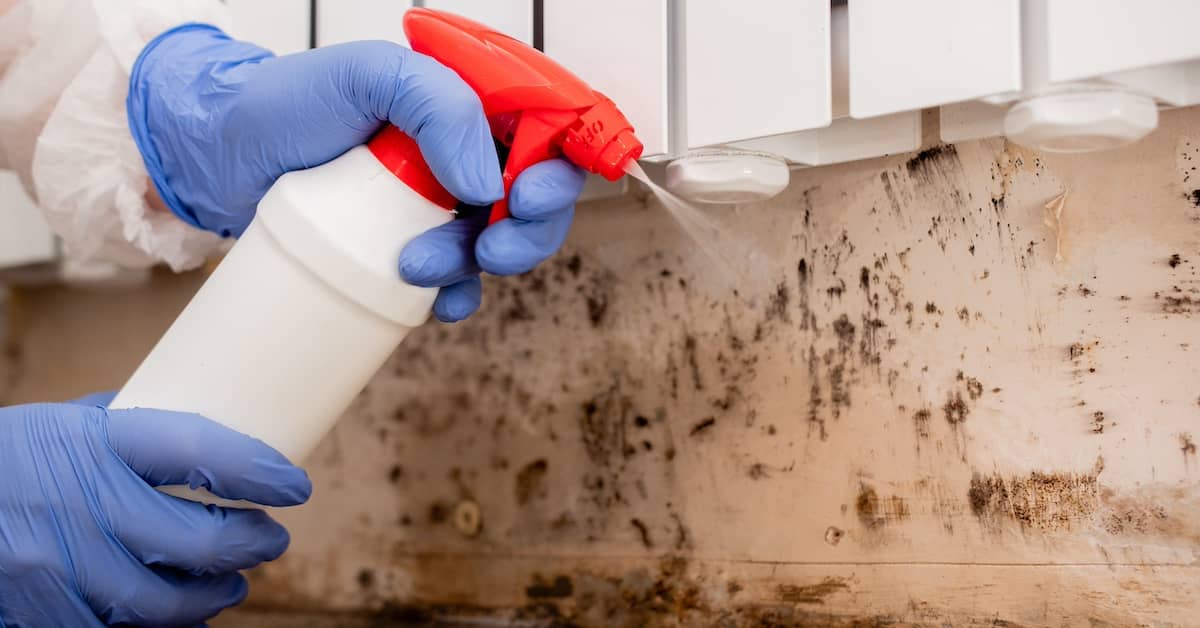
Comprehensive Guide to Mold Testing Deltona FL: Understanding Allergic, Pathogenic, and Toxigenic Effects
Mould is more than just an unsightly nuisance; it poses significant risks to human health. Depending on its type and concentration, mould exposure can trigger a range of allergic, pathogenic, and toxigenic effects. Understanding these categories is vital for safeguarding your well-being and addressing mould concerns effectively.
Allergic Effects of Mould
One of the most common health issues associated with mould is allergies. Certain individuals are more sensitive to mould spores, leading to allergic reactions. Symptoms often include:
– Sneezing
– Runny or stuffy nose
– Red or itchy eyes
– Skin rash
People with pre-existing respiratory conditions like asthma may experience worsened symptoms when exposed to mould. Allergic reactions are typically caused by exposure to non-toxic moulds like Cladosporium or Alternaria. Even minimal growth in damp areas can lead to irritation for sensitive individuals.
Risk Factors:
| Factor | Impact on Health | Examples | |————————|—————————–|————————-| | High humidity levels | Supports spore production | Basements, bathrooms | | Poor ventilation | Traps airborne spores | Sealed windows | | Existing allergies | Heightens sensitivity | Dust mite allergies |
Pathogenic Effects of Mould
Pathogenic moulds are particularly harmful to people with weakened immune systems or underlying health conditions. These types of mould can cause infections in vulnerable individuals, leading to serious respiratory problems and systemic illnesses.
Examples of pathogenic effects include:
1. Aspergillosis: Caused by Aspergillus species; impacts lungs and sinuses.
2. Fungal sinusitis: An infection triggered by inhaling pathogenic spores.
3. Chronic respiratory illnesses: Prolonged exposure can lead to persistent coughing or difficulty breathing.
While healthy individuals may not be severely impacted by low levels of pathogenic moulds, those undergoing medical treatments (such as chemotherapy) or living with chronic diseases should exercise caution when exposed.
Toxigenic Effects: The Danger of Mycotoxins
Some types of mould produce toxic compounds called mycotoxins that can have severe effects on the body. Toxigenic moulds—like Stachybotrys chartarum (commonly known as “black mould”)—are most dangerous when allowed to grow undetected for long periods in enclosed spaces.
Potential symptoms of mycotoxin exposure include:
– Chronic headaches
– Neurological issues such as memory loss or confusion
– Respiratory inflammation (persistent coughing or wheezing)
Prolonged contact with mycotoxins can also affect internal organs over time if left unmanaged.
Key factors influencing toxigenicity include:
| Variable | Effect | |———————-|—————————-| | Duration of exposure | Longer exposure increases risk | | Spore concentration | Higher quantities amplify toxicity | | Ventilation quality | Poor airflow traps toxins indoors |
Proactive Measures for Health Protection
To protect yourself from these harmful effects:
1. Maintain optimal indoor humidity levels (30%-50%) using dehumidifiers where necessary. 2. Regularly inspect high-risk areas such as kitchens, basements, and bathrooms for signs of dampness. 3. Wear proper protective equipment when cleaning visible microbial growth. 4. Consult professionals for large-scale remediation involving toxic species like Stachybotrys.
By understanding how different types of mould affect your health, you can take informed steps toward minimizing risks within your environment while promoting long-term wellness.
Choosing the Right Mold Removal Company Deltona FL for Safe and Effective Cleanup
Mould is a common household problem, but its effects on human health extend far beyond minor inconveniences. It can cause a range of allergic, pathogenic, and toxigenic reactions, depending on the type of mould exposure and an individual’s susceptibility. Understanding these effects is crucial to mitigating risks and safeguarding your well-being.
Allergic Reactions to Mould
One of the most common effects of mould exposure is allergic reactions. Certain types of mould release spores into the air, which can act as allergens when inhaled or come into contact with the skin.
Symptoms of Allergic Reactions Include:
– Sneezing
– Nasal congestion or runny nose
– Coughing
– Itchy eyes, nose, or throat
– Skin irritation or rashes
Individuals with pre-existing respiratory conditions, such as asthma or allergies to other substances (e.g., pollen), are more susceptible to worsened symptoms caused by mould exposure.
Common Allergenic Mould Types:
| Mould Type | Typical Locations | Common Features |
|—————-|———————-|——————————|
| Alternaria | Bathrooms, kitchens | Dark green or brown patches |
| Cladosporium | Window sills, carpets| Blackish-green appearance |
Pathogenic Effects
Pathogenic moulds pose a serious threat to individuals with weakened immune systems. These mould types can infect body tissues and cause illnesses that may range from mild to severe. Individuals undergoing medical treatments like chemotherapy or those with chronic illnesses are particularly at risk.
Examples of Health Concerns Caused by Pathogenic Moulds:
– Pulmonary infections (caused by Aspergillus fumigatus)
– Chronic sinus infections
– Opportunistic fungal infections in immunocompromised individuals
Prolonged exposure increases the likelihood of infection and may require medical intervention for treatment.
Toxigenic Effects of Mould
Aside from allergenic and pathogenic impacts, some mould species produce mycotoxins—chemical compounds toxic to humans and animals alike. When inhaled or ingested over time, these toxins can result in severe health complications.
Health Implications Linked to Mycotoxin Exposure:
1. Neurological symptoms such as headaches or memory loss.
2. Respiratory issues beyond typical allergic reactions (e.g., chronic bronchitis).
3. Long-term impacts on kidney and liver function due to prolonged toxin buildup.
High-Risk Areas for Toxigenic Moulds Include:
– Poorly ventilated basements prone to water damage
– Areas affected by significant flooding incidents
Common toxigenic moulds include Stachybotrys chartarum, also known as “black mould,” infamous for its association with sick building syndrome.
Steps for Mitigating Health Risks
To minimize the health risks posed by allergenic, pathogenic, and toxigenic mould:
1. Maintain low indoor humidity levels (ideally below 50%).
2. Promptly address leaks or water damage in walls or ceilings.
3. Regularly clean high-moisture areas using appropriate cleaning agents (e.g., diluted bleach).
4. Consult professionals if large-scale contamination is suspected.
Understanding how different types of mould affect your health empowers you to take proactive measures in reducing risks effectively while fostering a healthier living environment.
- Step-by-Step Guide to Mold Removal Deltona FL
- Comprehensive Guide to Water Damage Restoration and Mold Removal Deltona FL
- Top 8 Reasons to Choose Professional Mold Removal Deltona FL Services
- Effective Mold Removal Deltona FL: Understanding Risks and Solutions
- Mold Removal Deltona FL: Understanding the Key Differences Between Mitigation and Remediation
- Effective Tips for Mold Remediation Deltona FL: Clean Your Shower and Bathroom Walls
- 6 Important Things to Know About Mold Removal Deltona FL Before Hiring a Professional
- How to Handle Black Mold Deltona FL and Its Impact on Your Health
- Mold Removal Deltona FL: Understanding the Key Differences Between Remediation and Removal