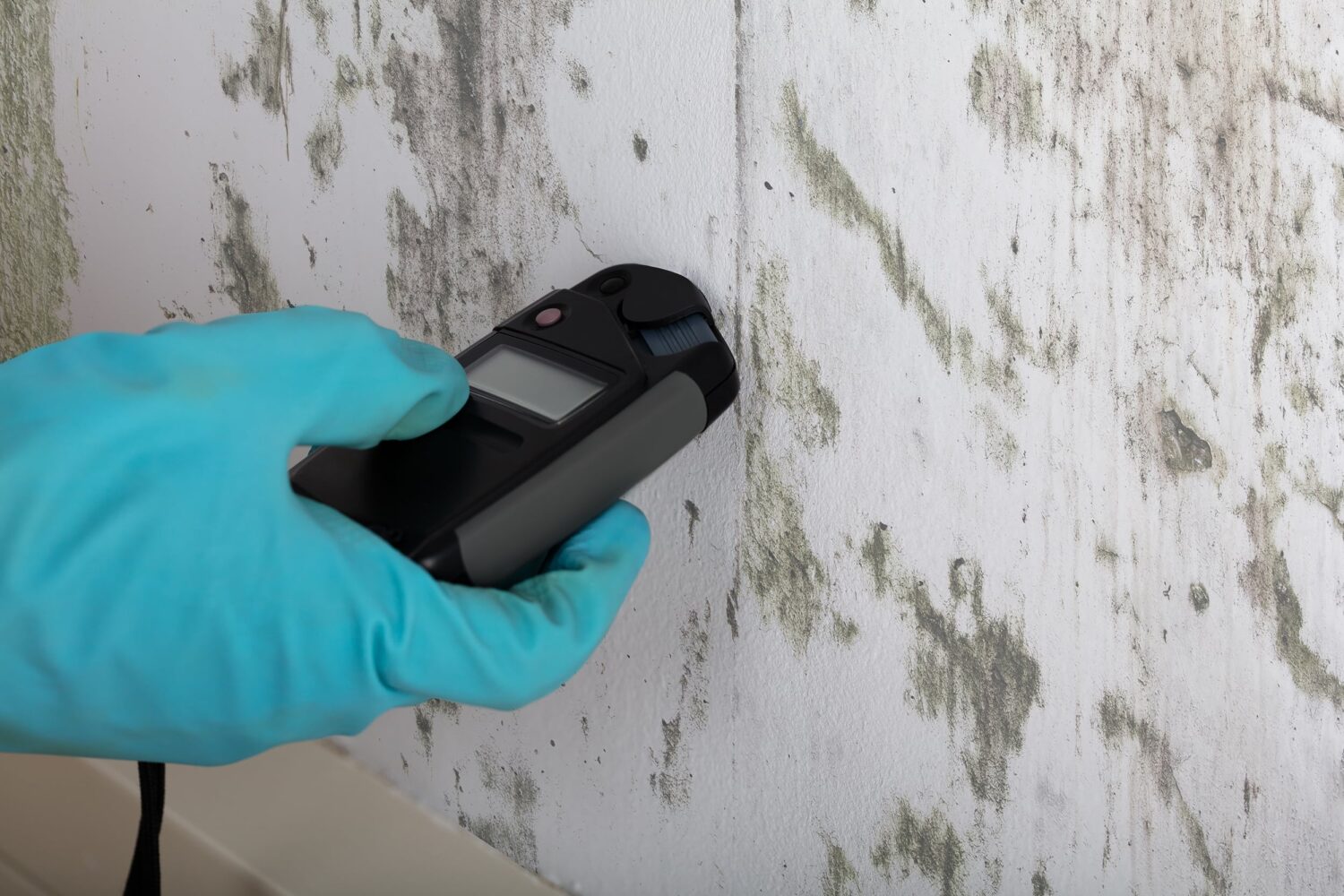
Mold is not just an unsightly issue in your home or office; it can pose serious health and structural risks if left untreated. While some homeowners may consider tackling mold removal themselves, hiring a professional mold remediation service is often the safer, more effective option. Below, we explore the top eight reasons why turning to the experts can make a significant difference.
1. Accurate Mold Identification
Not all molds are created equal—different species of mold require different approaches for removal and remediation. Professionals have the knowledge, training, and equipment needed to identify the specific type of mold present in your property.
- They use advanced testing methods like air sampling and surface sampling.
- Experts can differentiate between toxic molds (like Stachybotrys, or black mold) and less harmful varieties.
- Proper identification ensures that the treatment plan is tailored to your situation.
2. Comprehensive Inspection
A proper inspection involves more than simply identifying visible mold growth. Professionals assess areas that are harder to reach, such as behind walls or under flooring.
- They use specialized tools like moisture meters and infrared cameras.
- A detailed inspection helps locate hidden water damage contributing to mold growth.
- This ensures no part of your property is overlooked during remediation.
3. Health Protection
Mold spores can trigger respiratory issues, allergies, and other health concerns, especially for people with asthma or compromised immune systems. Professional services include safety protocols designed to minimize exposure while eliminating mold safely.
- Workers wear personal protective equipment (PPE) during cleanup.
- They use HEPA filters to reduce airborne spores during remediation.
4. Proper Containment
- Creating negative air pressure zones.
- Using physical barriers like plastic sheeting.
These techniques prevent cross-contamination during cleanup.
5. Advanced Equipment
| Equipment Used | Purpose |
| HEPA Vacuums | Removes fine particles and spores from surfaces |
| Dehumidifiers | Reduces humidity levels that promote mold growth |
| Air Scrubbers | Filters airborne contaminants |
This equipment ensures effective removal beyond what household cleaning products can achieve.
6. Long-Term Prevention
- Repairing damaged structures that allow moisture penetration.
- Recommending improvements such as upgraded HVAC systems or better insulation.
7. Time Efficiency
- Professionals complete complex jobs faster due to their experience.
- Time saved reduces overall inconvenience for homeowners or business owners.
8. Cost Savings Over Time
- Early intervention stops structural damage before it worsens.
- Long-term solutions reduce repeated expenses related to ineffective DIY treatments.
Final Thoughts on Mold Remediation Deltona FL
Mold issues require immediate attention but also demand expertise for proper resolution without risks of re-infestation or health hazards. By choosing a professional remediation service, you gain peace of mind knowing that every step—from assessment through prevention—is handled with precision and care tailored specifically for your property’s needs.
Understanding the Risks of Black Mold in Deltona FL and the Need for Proper Assessment
When dealing with mold problems, a thorough and accurate mold assessment is one of the most critical steps in addressing the issue effectively. Without it, you risk incomplete remediation, ongoing health risks, or even recurrence of the problem. A professional mold assessment ensures that the root cause is identified and treated properly. Below, we discuss why this step is indispensable and what it entails.
Why Mold Assessment Matters
- Identifying Hidden Mold:
Mold often grows in areas that are not visible to the naked eye—inside walls, under flooring, or behind appliances. A professional assessment uses tools like infrared cameras and moisture meters to uncover hidden mold infestations. - Determining the Extent of Contamination:
Not all mold issues are equal. Some may be localized to a single area, while others could have spread throughout your property. An accurate assessment helps determine how widespread the problem is. - Pinpointing Moisture Sources:
Since moisture is a key contributor to mold growth, identifying water leaks, humidity issues, or poor ventilation is crucial for effective remediation. - Creating a Targeted Remediation Plan:
A detailed assessment allows professionals to develop a customized plan tailored to your property’s specific needs.
Steps Involved in Professional Mold Assessment
- Visual Inspection: Professionals visually inspect areas prone to mold growth, such as bathrooms, basements, kitchens, and HVAC systems.
- Air Quality Testing: Air samples may be taken to determine if airborne spores are present at levels that indicate contamination.
- Moisture Mapping: Using specialized equipment like thermal imaging devices or moisture meters, assessors locate areas where excess moisture exists.
- Surface Sampling: Swabs or tape lifts can identify if visible spots contain harmful molds and help classify their species.
- Report Generation: Following the inspection and testing phases, professionals compile their findings into a comprehensive report for action planning.
Benefits of Professional Mold Assessment
| Benefit | Description |
| Accurate Diagnosis | Professionals use advanced tools and techniques for reliable results. |
| Prevention of Over-Reliance on DIY Methods | Ensures homeowners avoid inadequate solutions or improper cleanup methods. |
| Comprehensive Understanding | Identifies both visible and non-visible sources of contamination to prevent future issues effectively. |
| Compliance with Health Standards | Professionals adhere to industry guidelines (e.g., EPA standards) ensuring safety during assessments and remediation. |
Risks of Skipping This Step
- Persistent health problems due to exposure.
- Recurring infestations because root causes go untreated.
- Higher long-term costs from ineffective DIY solutions or repeated treatments.
Final Thoughts on Mold Assessment
Treating only visible symptoms of mold without addressing underlying causes can set you up for recurring problems down the line. Partnering with trained professionals who understand how to conduct thorough assessments minimizes risks while ensuring long-term protection for your property and well-being.
Understanding the Need for a Thorough Mold Inspection Deltona FL in Your Property
Proper mold assessment is a critical first step in addressing potential mold issues within any property. Without an accurate evaluation, it is impossible to fully understand the extent of the problem, locate hidden mold colonies, or identify the underlying causes. A thorough assessment ensures that remediation efforts are both effective and efficient, saving time, money, and resources.
Why Mold Assessment Matters
- Identifying Hidden Mold: Mold often grows in unseen areas such as behind walls, under floors, or inside HVAC systems. A comprehensive assessment uses advanced tools like moisture meters and thermal imaging cameras to detect these hidden colonies.
- Determining Mold Type: Different types of mold require different treatment methods. An assessment helps identify whether you’re dealing with allergenic molds like Cladosporium, toxic molds like Stachybotrys chartarum (black mold), or other varieties.
- Understanding Moisture Sources: Since moisture is a primary driver of mold growth, identifying leaks or sources of water intrusion is essential to prevent recurrence.
- Assessing Health Risks: Some molds release spores and mycotoxins that pose health risks to occupants. Assessing the severity of contamination helps determine the urgency and scope of remediation.
Signs You Need a Mold Assessment
- Persistent musty odors.
- Visible mold patches on walls or ceilings.
- Water stains or discoloration on surfaces.
- Recurring allergy-like symptoms among occupants (e.g., sneezing, coughing).
- Recent water damage incidents such as flooding or pipe leaks.
The Process of a Professional Mold Assessment
| Step | Description |
| Initial Consultation | Inspectors gather information about past water damage and visible concerns |
| Visual Inspection | Professionals assess visible areas for signs of mold growth |
| Moisture Mapping | Tools like infrared cameras detect moisture levels in building materials |
| Air Sampling | Air quality tests identify spore concentrations |
| Laboratory Analysis | Samples are sent to labs for precise identification |
| Detailed Reporting | Findings are documented along with recommendations for next steps |
Benefits of Hiring a Professional Inspector
- Accuracy: Experts provide precise assessments backed by scientific testing methods.
- Prevention Focus: By identifying root causes such as faulty plumbing or poor ventilation, inspectors help prevent future infestations.
- Comprehensive Reporting: Detailed reports give homeowners clarity about their property’s condition while guiding remediation decisions.
By investing in a proper mold assessment conducted by an experienced professional, property owners can ensure thorough remediation efforts while safeguarding their home’s structural integrity and indoor air quality for years to come.
Effective Mold Testing Deltona FL: How Professionals Remove and Treat Mold Problems
Mold issues in a property require thorough and specialized attention to ensure the health of residents and the structural integrity of the home. Professional mold remediation services employ effective techniques and tools to completely address the problem, minimizing risks of recurrence. Below, we explore how professional mold remediation works to treat and remove mold problems effectively.
Comprehensive Inspection and Assessment by a Mold Removal Company in Deltona FL
One of the primary steps in mold remediation is conducting an in-depth inspection to identify:
– The type of mold present.
– The extent of the infestation.
– The source(s) of moisture enabling mold growth.
Professionals utilize advanced equipment such as moisture meters, thermal imaging cameras, and air quality monitors to detect both visible and hidden mold colonies. This diagnostic phase ensures that no area is overlooked during treatment.
Containment Strategies
To prevent cross-contamination during removal, professional services establish containment measures around affected areas. Common containment practices include:
– Sealing affected spaces with plastic sheeting or barriers.
– Using negative air pressure machines to contain airborne spores within designated zones.
This process effectively minimizes risk while protecting other areas of the property from exposure to airborne spores during remediation efforts.
Advanced Mold Removal Techniques
Experts in mold remediation use a combination of safe yet effective methods for removing active mold colonies:
1. HEPA Vacuuming: High-efficiency particulate air (HEPA) vacuums are employed to remove surface-level spores from walls, furniture, or flooring without redistributing them into the air. 2. Antimicrobial Treatments: Professionals apply EPA-approved solutions designed specifically for killing existing colonies on non-porous surfaces. 3. Manual Removal: In cases where porous materials like drywall or carpeting are severely infested, professionals may recommend their removal altogether.
These targeted techniques work together for thorough eradication while maintaining safety standards.
Air Filtration Systems
Professional remediation includes deploying industrial-grade air scrubbers equipped with HEPA filters throughout affected areas during cleanup efforts. These systems trap airborne particles such as spores, ensuring cleaner indoor air quality after treatment is complete.
| Equipment Type | Purpose | Example Use Case |
| HEPA Vacuums | Remove surface-level spores | Cleaning infested furniture or floors. |
| Negative Air Machines | Isolate contaminated areas | Preventing airborne contamination |
| Air Scrubbers | Filter out airborne particles | Restoring indoor air quality |
Post-Treatment Evaluation & Prevention Tips
A hallmark benefit of hiring professionals lies in their commitment to long-term safety measures after completing physical remediation work:
– Conducting post-remediation verification testing, often through independent laboratories, ensures that no elevated spore counts remain indoors. – Providing tailored recommendations for preventing future outbreaks—this may include addressing ventilation issues or upgrading insulation to reduce condensation-related moisture.
By addressing both immediate concerns and underlying causes contributing to recurring issues (such as unaddressed water leaks), professional services offer peace-of-mind solutions that homeowners can trust.

Understanding the Dangers of DIY Water Restoration When Addressing Mold Issues
When water damage occurs in a property, it often leads to mold growth if not addressed swiftly and properly. While some homeowners may attempt to resolve water damage and mold issues themselves, the risks associated with DIY water restoration can outweigh any potential cost savings. Below, we explore why addressing mold removal without professional assistance can be hazardous and counterproductive.
The Risks of Improper Water Extraction
- Drywall: Porous materials like drywall can absorb moisture quickly.
- Flooring: Water can seep beneath carpets, tiles, or wood flooring.
- HVAC Systems: Condensation or leaks within HVAC units can go unnoticed.
Without proper equipment such as industrial-grade dehumidifiers and moisture meters, these areas often remain damp, becoming breeding grounds for mold.
Inadequate Mold Identification
- Identify the type of mold present.
- Determine its source.
- Understand how far it has spread.
Misidentifying or overlooking certain molds like Stachybotrys (commonly known as black mold) can result in severe health risks for occupants of the home.
Health Hazards Associated with DIY Mold Remediation
- Respiratory issues such as coughing, wheezing, or shortness of breath.
- Allergic reactions like skin irritation or nasal congestion.
- Worsening symptoms for individuals with asthma or compromised immune systems.
Professional remediation teams use specialized safety gear and containment protocols to minimize exposure during cleanup.
Common Mistakes Made During DIY Efforts
| Mistake | Consequences |
| Using household cleaners | Regular cleaners may not kill all types of mold. |
| Not addressing moisture | Failing to eliminate the source allows regrowth. |
| Ignoring ventilation issues | Insufficient airflow promotes further spread. |
These mistakes not only compromise your health but also lead to recurring problems that are costly in the long term.
Benefits of Hiring Professionals Over DIY
- Comprehensive Assessment: Professionals locate hidden moisture sources using advanced tools like infrared cameras.
- Safe Removal Protocols: Proper containment prevents cross-contamination between affected and unaffected areas.
- Long-term Solutions: Experts provide guidance on preventing future issues by improving ventilation and addressing structural vulnerabilities.
Final Thoughts on Avoiding DIY Risks
While addressing water damage promptly is critical, attempting restoration without professional help poses significant dangers. Mold remediation professionals bring expertise, equipment, and safety measures necessary for effective treatment while protecting your family’s health and maintaining your property’s integrity.
How to Mitigate Water Damage in Your Home to Prevent Mold Growth
Water damage, if not addressed promptly, often leads to mold growth, which can pose significant health risks and structural concerns. Mitigating water damage effectively is essential in preventing mold from taking root in your home. Below are practical strategies and steps you can implement to minimize the risk of water damage and subsequent mold growth.
Addressing Water Intrusion Immediately
The first step in preventing mold growth is to respond quickly to any signs of water intrusion or leaks. Key actions include:
– Fix leaks promptly: Whether it’s a leaking pipe, roof, or window seal, addressing these sources immediately is crucial.
– Dry affected areas: Use fans, dehumidifiers, and proper ventilation to dry wet areas within 24-48 hours. Mold thrives on moisture, so quick drying reduces the chance for growth.
– Remove standing water: Any pools of stagnant water should be removed with a wet vacuum or mop as soon as possible.
Controlling Humidity Levels
High indoor humidity creates an environment conducive to mold growth. To maintain optimal levels:
– Keep indoor humidity below 60%; ideally between 30%-50%.
– Use dehumidifiers in damp areas such as basements or laundry rooms.
– Ensure proper ventilation when cooking, showering, or using appliances that produce moisture.
Regular Maintenance for Water Systems
Routine inspection of your home’s plumbing and drainage systems can prevent water damage before it occurs: | Area | What to Check | Frequency | |——|————–|———–| | Plumbing | Look for leaks under sinks or around pipes | Monthly | | Roof & Gutters | Check for damaged shingles and clear debris | Seasonally | | Basement/Foundation | Inspect for cracks or seepage | Annually | | HVAC Systems | Ensure condensation drains properly | Twice a year |
Protect Vulnerable Areas
Certain parts of your home are more prone to water exposure and may require additional precautions:
1. Basements – Install sump pumps with battery backups and use waterproof sealants on walls.
2. Bathrooms & Kitchens – Apply caulk around sinks and tubs; repair grout gaps between tiles.
3. Windows & Doors – Use weatherproof stripping to prevent rainwater from seeping indoors.
Invest in Preventative Measures
Preventative tools can help safeguard your property from future water-related issues:
– Install moisture sensors near appliances like washing machines or dishwashers.
– Use flood alarms for early detection of leaks. – Consider installing backflow valves on sewer lines.
Act Quickly After Flooding
If flooding occurs despite precautions:
1. Remove soaked materials (carpets, upholstery) that can harbor mold spores. 2. Disinfect surfaces with appropriate cleaning agents designed for mold prevention. 3. Consult professionals if significant damage occurs; they have specialized equipment like industrial dehumidifiers and thermal imaging cameras to assess hidden moisture.
By proactively managing water exposure risks through strategic maintenance and timely action steps outlined above, you can significantly reduce the likelihood of facing costly mold problems down the line while protecting both your property’s integrity and health conditions indoors effectively.
The Critical Role of Expert Guidance in Preventing Future Mold Problems
Addressing mold issues promptly and effectively is crucial not only for removing existing infestations but also for preventing future occurrences. Mold can spread rapidly under the right conditions, and without expert guidance, homeowners may inadvertently create an environment conducive to recurring mold growth. Here’s why professional expertise plays a vital role in maintaining a mold-free property.
Understanding the Root Causes of Mold Growth
- Excess moisture due to leaks, floods, or high humidity levels.
- Poor ventilation in areas like bathrooms, basements, or attics.
- Inadequate drainage systems around the property.
- Hidden water damage within walls, ceilings, or floors.
By pinpointing these underlying issues, experts can offer tailored solutions that prevent future outbreaks.
Comprehensive Inspection and Risk Assessment
| Area Assessed | Common Issues Detected |
| Attics | Roof leaks, poor ventilation |
| Basements | Water seepage through foundation cracks |
| Bathrooms | High humidity levels due to inadequate fans |
| Kitchens | Leaks under sinks or poorly sealed pipes |
This comprehensive assessment helps identify potential risks before they escalate into costly problems.
Implementing Long-Term Prevention Strategies
- Moisture Control: Regularly inspect and repair plumbing systems to prevent leaks.
- Ventilation Improvements: Install exhaust fans in bathrooms and kitchens to reduce humidity levels.
- Dehumidification: Use dehumidifiers in damp spaces like basements to maintain optimal indoor humidity (30–50%).
- Proper Drainage Systems: Ensure gutters and downspouts direct water away from your home’s foundation.
These proactive measures make it harder for mold spores to find favorable conditions for growth.
Educating Homeowners on Maintenance Practices
- Identifying early signs of moisture buildup or fungal growth.
- Establishing a cleaning routine with antifungal products in vulnerable areas.
- Periodically inspecting HVAC systems for signs of contamination.
By fostering awareness among homeowners, professionals help reduce reliance on reactive measures while promoting proactive maintenance habits.
Why Expert Guidance Matters
Without professional input, it’s easy for homeowners to miss critical factors contributing to recurring mold problems. DIY approaches often fail because they lack precision tools and knowledge about proper remediation techniques. Investing in expert services ensures not only thorough removal but also long-term prevention tailored specifically to your home’s unique needs.
Taking preventative steps with expert assistance saves time, money, and stress while safeguarding your property from persistent health risks associated with mold exposure.
Save Money and Protect Your Health with Professional Mold Removal Services
When faced with mold issues in a home or business, many property owners face a difficult decision: should they tackle the problem themselves or hire a professional service? While DIY efforts may appear cost-effective at first glance, professional mold removal services provide significant long-term benefits in terms of both financial savings and health protection.
Financial Benefits of Hiring Professional Mold Remediation Services
- Accurate Mold Assessment: Professionals use advanced tools to identify all areas affected by mold. This ensures no hidden or untreated colonies are left behind, reducing the likelihood of recurring infestations.
- Preventing Structural Damage: Left untreated, mold can cause extensive damage to walls, flooring, insulation, and other structural elements. Proper remediation can help avoid costly repairs later.
- Efficient Use of Resources: Professionals come equipped with specialized tools and cleaning agents designed for effective and safe mold removal. Homeowners attempting DIY solutions often have to repeatedly buy products that may not even work effectively.
- Avoiding Future Infestations: Experts address the root causes of mold growth—such as moisture problems—and provide advice on preventing future issues, which reduces potential costs in years to come.
Health Benefits of Professional Mold Removal
- Thorough Removal of Harmful Spores: Many types of molds release microscopic spores into the air that can trigger allergies or respiratory issues. Professionals use containment strategies and high-efficiency particulate air (HEPA) filters to remove these spores effectively.
- Reduced Risk During Cleanup: Removing mold without proper equipment can disturb colonies, releasing toxins into the air that pose health hazards during cleanup activities. Professionals are trained in safe handling protocols to minimize risk exposure during removal.
- Addressing Toxic Mold (e.g., Black Mold): Some molds produce mycotoxins that can lead to severe health problems such as chronic fatigue or respiratory illnesses when inhaled over time. Trained experts handle such dangerous situations safely and thoroughly.
Why DIY Efforts May Fall Short
| Aspect | DIY Efforts | Professional Services |
| Tools & Equipment | Limited access to proper tools | Advanced technology (e.g., HEPA vacuums) |
| Safety Knowledge | High risk due to lack of training | Expertise in hazardous material handling |
| Long-Term Effectiveness | Recurring mold due to incomplete fixes | Permanent solutions & prevention measures |
Investing in Your Property’s Future
Professional mold remediation is more than just a one-time expense—it’s an investment in your property’s safety, longevity, and value. By addressing both visible problems and underlying causes such as water damage or poor ventilation, professionals ensure your home remains free from harmful infestations for years to come.
Hiring professionals does more than resolve immediate concerns; it protects your family’s health while simultaneously safeguarding your property from further damage—saving you time and money over the long term.
- Step-by-Step Guide to Mold Removal Deltona FL
- Comprehensive Guide to Water Damage Restoration and Mold Removal Deltona FL
- Top 8 Reasons to Choose Professional Mold Removal Deltona FL Services
- Effective Mold Removal Deltona FL: Understanding Risks and Solutions
- Mold Removal Deltona FL: Understanding the Key Differences Between Mitigation and Remediation
- Effective Tips for Mold Remediation Deltona FL: Clean Your Shower and Bathroom Walls
- 6 Important Things to Know About Mold Removal Deltona FL Before Hiring a Professional
- How to Handle Black Mold Deltona FL and Its Impact on Your Health
- Mold Removal Deltona FL: Understanding the Key Differences Between Remediation and Removal